
By Medha Sridhar
Understanding Rebus Puzzles
A Rebus puzzle is a fascinating type of riddle that employs a creative combination of pictures, words, and symbols to convey a specific phrase or idea. These puzzles challenge the solver to interpret visual and textual clues, often requiring lateral thinking and a keen eye for detail.
Components of a Rebus Puzzle
Rebus puzzles can incorporate various elements, including:
- Images: Simple drawings or icons that represent words or syllables. For example, an image of a bee could represent the sound “be.”
- Words: Written words that may be arranged in a particular way to suggest their meaning. For instance, the word “over” placed above the word “flow” could imply “overflow.”
- Symbols: Icons or symbols that stand in for common phrases or concepts. For example, a heart symbol may represent love.
How to Solve a Rebus Puzzle
Solving a Rebus puzzle typically involves several steps:
- Observation: Carefully examine the images, words, and symbols presented in the puzzle.
- Interpretation: Consider what each component might represent individually and how they might work together to form a coherent phrase.
- Creative Thinking: Be open to thinking outside the box, as the connections between the components may not be immediately obvious.
- Trial and Error: Sometimes, it may require testing different interpretations before arriving at the correct answer.
The Appeal of Rebus Puzzles
Rebus puzzles appeal to a wide audience due to their playful nature and the cognitive challenge they present. They can be used in various contexts, from educational settings to entertainment, making them a versatile tool for engaging individuals in critical thinking and problem-solving. Whether enjoyed alone or as a group activity, Rebus puzzles continue to captivate puzzle enthusiasts of all ages.
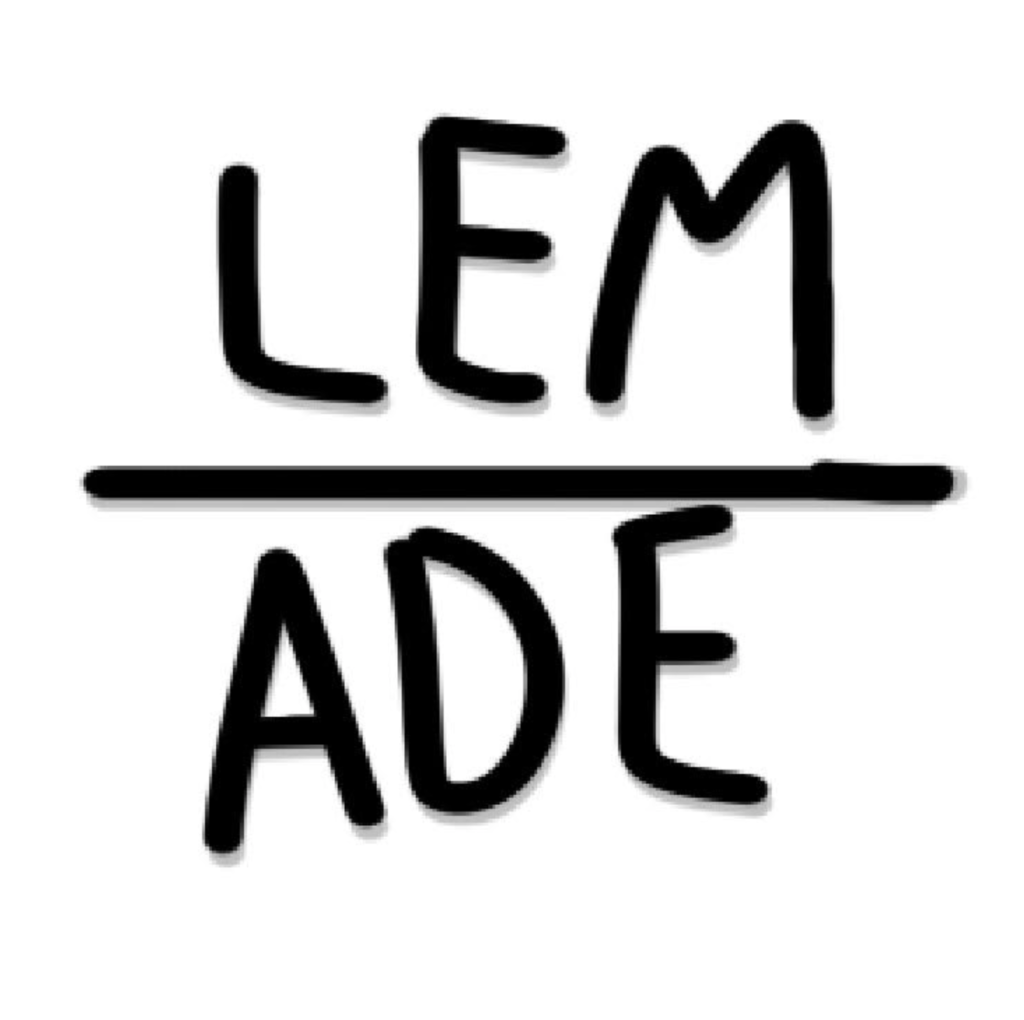
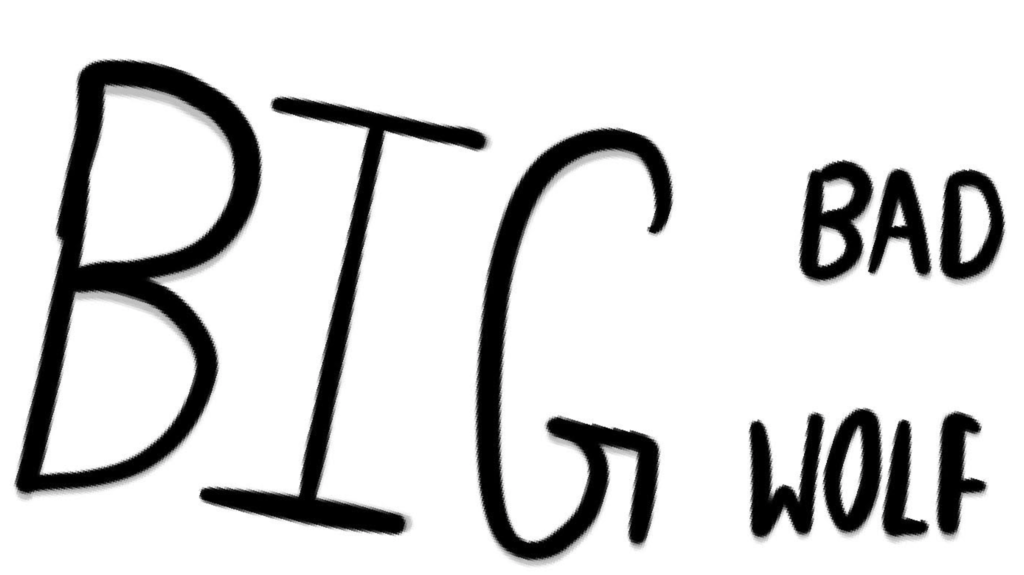
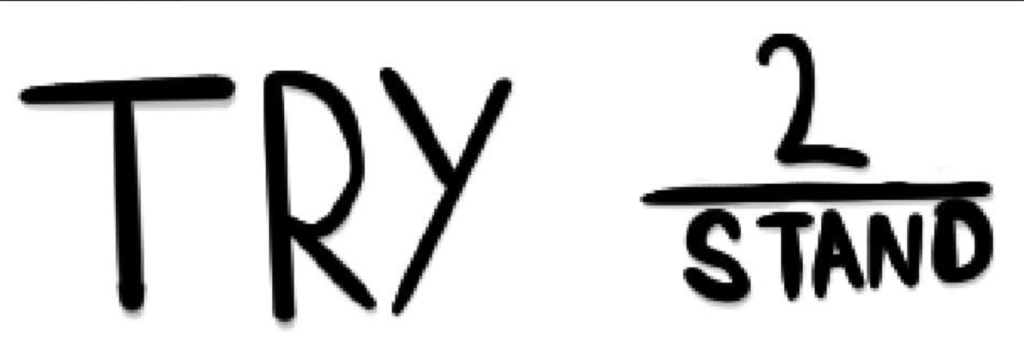
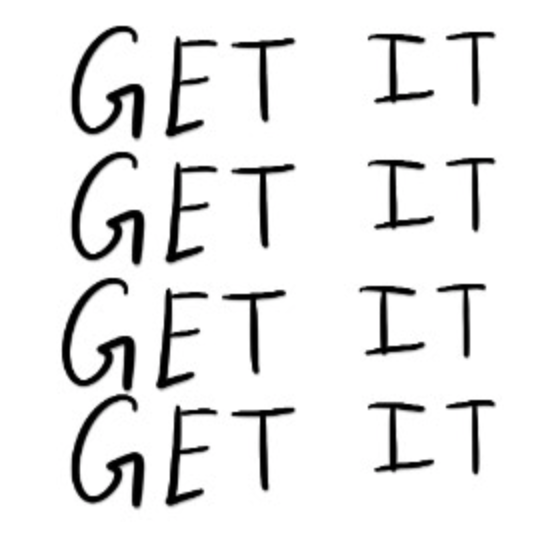
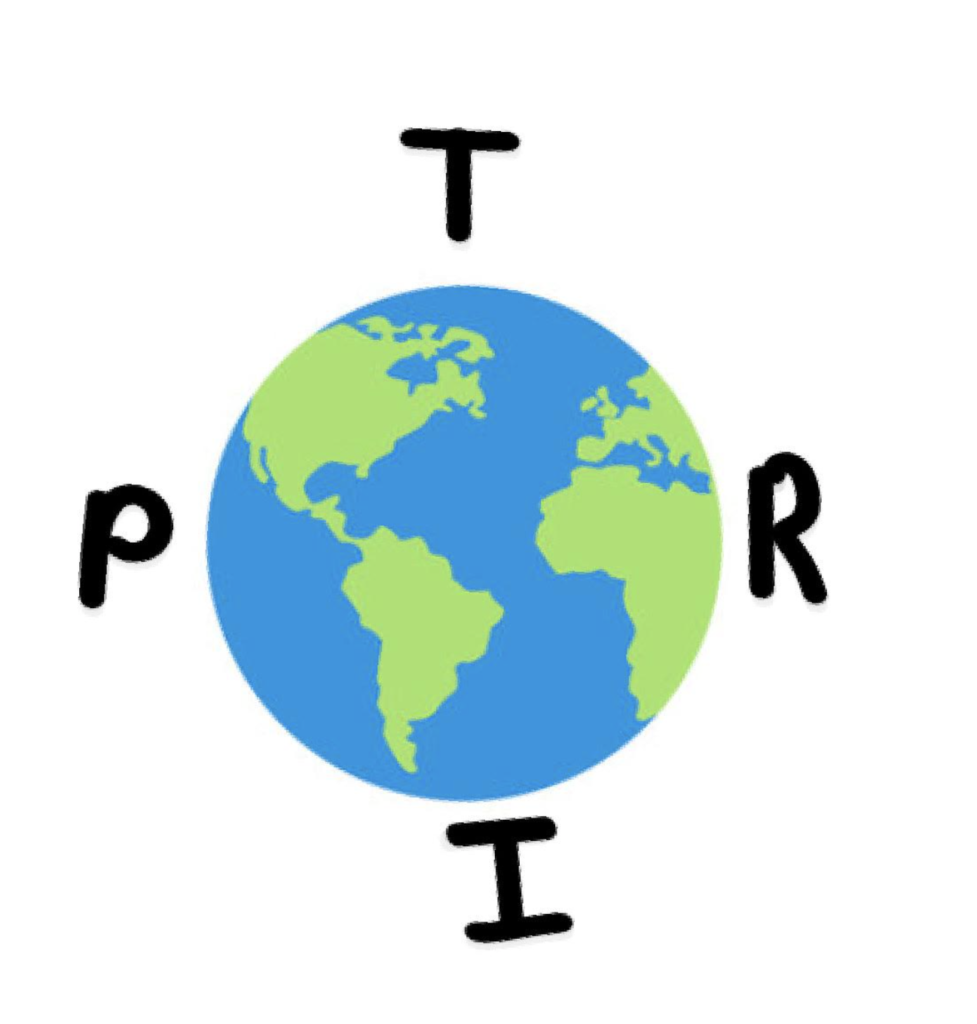
The first one is lemonade, the second one is big, bad, wolf, the third one is try to understand, the fourth one is forget it, and the fifth one is trip around the world. Did I get them all right?
Yes, I’m pretty sure you did
yes! you did.